sábado, 28 de novembro de 2009

Biodiversity


Biodiversity is all the different forms of life on the planet, or in a particular region.

Why is it important to preserve biodiversity?

Ethical reasons, because the human being has a moral duty to protect other forms of life.

Economic reasons, the decline of species can affect human activities such as fishing and the production of medicines.
Do not forget that at least 40% of the world economy and 80% of the needs of people depend on biological resources.

Reasons functional nature, the reduction of biodiversity leads to environmental losses because the species have important roles in ecosystems such as air purification, climate regulation, soil and watershed erosion, pest control etc..

The main causes for the extinction of species are climate changes, habitat destruction, hunting and lack of food (is also a consequence of loss of biodiversity).

sábado, 7 de novembro de 2009

Blue Whale


The blue whale is a marine mammal and is the largest animal that ever existed on the planet, with 33 meters long and 180 tons of weight. It is also the loudest animal in the world. They emit low frequency sounds that reach the 188 decibels that can be heard more than 800 miles away. Its main food is krill but also eat small fish and squid.

The killing of blue whales spread quickly, and in 1925, the United States, the United Kingdom and Japan had joined Norway in hunting blue whales, capturing and killing them and processing them in large factory ships. And in 1930, 41 ships killed 28,325 Blue Whales.

While hunting the blue whale was finally banned in 60 years, 350 thousand blue whales were killed. The current world population of blue whales is estimated at three to four thousand, that species is in the lists of endangered species since the '60s.

Elephants


Elephants are the largest land animals of the Earth weighing to 12 tonnes and measuring 4 metres. Elephants are herbivore from eating of herbs, fruits and leaves of trees. They have few predators due to their size. They live about 60 years and die when their teeth fall, which prevents it from eating plants.

During the mating season, the males become aggressive and about 400 people are killed by elephants each year.

The hunting of elephants, mainly caused by its ivory, is generally illegal in all African countries. Currently all species of elephants are considered endangered, they are threatened by poaching and habitat loss.

terça-feira, 3 de novembro de 2009

Chinese Panda


Chinese panda or Ailuropoda melanoleuca is a very smart mammal. It’s extremely docile, shy. It is very respected by the humans, China has a law that protects pandas. A farmer was arrested for shooting a panda.

It lives on the isolated mountains of Gansu, Shaanxi and Sichuan, but just 20% of these areas are its habitat. The quickly expansion of agriculture contributed for the decline of its habitat.

Panda eats about 30 species of bamboo (99% of its diet), but also insects and eggs.
Normally they have two children but the mother just takes care of one child so one of them is abandoned at birth. Its expectation of life is about 13 years.

Only 10 % of captive pandas can cross on nature.
Only 30% of females can have babies.
More than 60% of captive pandas don’t show sexual desire.


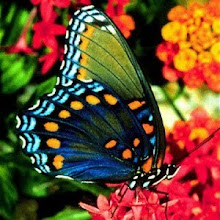
ENDANGERED SPECIES IN THE WORLD
North America
American Bison, American Crocodile, Bats, Black Footed Ferret, Black Bear, Bobcat, Burrowing Owl, Butterflies, Cactus Ferruginous Pygmy Owl, Cerulean Warbler, Cook Inlet Beluga Whale, Dolphins, Eastern Timber Wolf, Fisher, Florida Black Bear, Gray Wolf, Grizzly Bear, Hawaiian Monk Seal, Hummingbird, Lynx, Killer Whale, Manatee, Mexican Spotted Owl, Mexican Wolf, Northern Spotted Owl, Ocelot, Panther, Peregrine Falcon, Puma, Prairie Dog, Red Wolf, Sea Otter, Sea Turtle, Snakes, Snowy Owl, Swift Fox, Whale, Woodpecker

South America
Armadillo, Bats, Burrowing Owl, Cactus Ferruginous Pygmy Owl, Dolphins, Hummingbird, Jaguar, Killer Whale, Mexican Spotted Owl, Ocelot, Peregrine Falcon, Snakes, Whale, Wolf

Europe
Bats, Dolphins, Killer Whale, Peregrine Falcon, Snakes, Whale, Wolf

Africa
African Wild Dog, Bats, Cheetah, Chimpanzee, Dolphins, Elephant, Giraffe, Grevy's Zebra, Killer Whale, Lemur, Leopard, Lion, Mountain Gorilla, Peregrine Falcon, Rhinoceros, Snakes, Whale, Wolf, Zebra, Middle East, Bats, Dolphins, Snakes, Tiger, Whale, Wolf

Asia
Bats, Clouded Leopard, Dolphins, Elephant, Giant Panda, Killer Whale, Leopard, Oragutan, Peregrine Falcon, Rhinoceros, Sea Otter, Snakes, Snow Leopard, Tiger, Tortoise, Whale, Wolf

Australia
Bats, Dolphins, Kangaroo, Killer Whale, Koala, Peregrine Falcon, Snakes, Whale, Wolf

Arctic and Antarctic
Killer Whale, Penguin, Peregrine Falcon, Polar Bear, Wolf

segunda-feira, 2 de novembro de 2009

Iberian Lynx


The Iberian lynx or lynx pardinus is the feline species most critically endangered. It habit in Iberian Peninsula, but it is already extinct in the Portuguese territory. There are only about a hundred lynx living in freedom.

Its diet is composed of rabbits, but when these are missing it eats deer, mice, ducks, partridges and lizards. It is essentially active at night and a climber.

When they have too many babies, there is a competition between them and just only 1 or 2 can reach adulthood.

Their main threats are:
reducing the population of rabbits;
pedestrians;
poaching.